


Graphic Organizer: Concept Map
This article has moved to the Teach Daily Resource Library!
Log In Now
Ever had a student say, “I don’t know where to start”? Whether it’s writing an essay, studying for a test, or learning a new concept, organizing thoughts can be tricky. That’s where a concept map comes in!
What is a Concept Map?
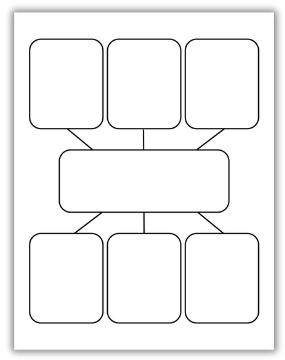
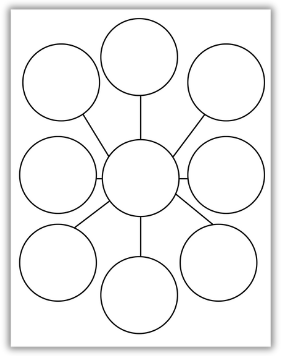
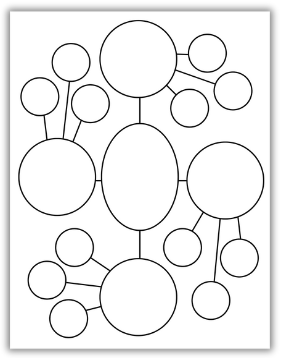
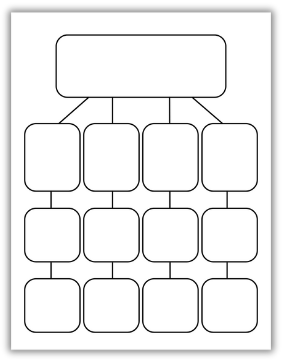
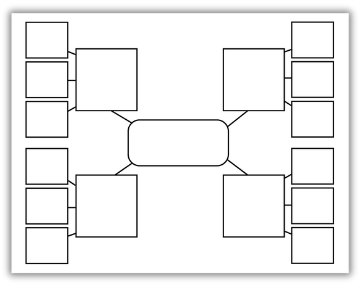
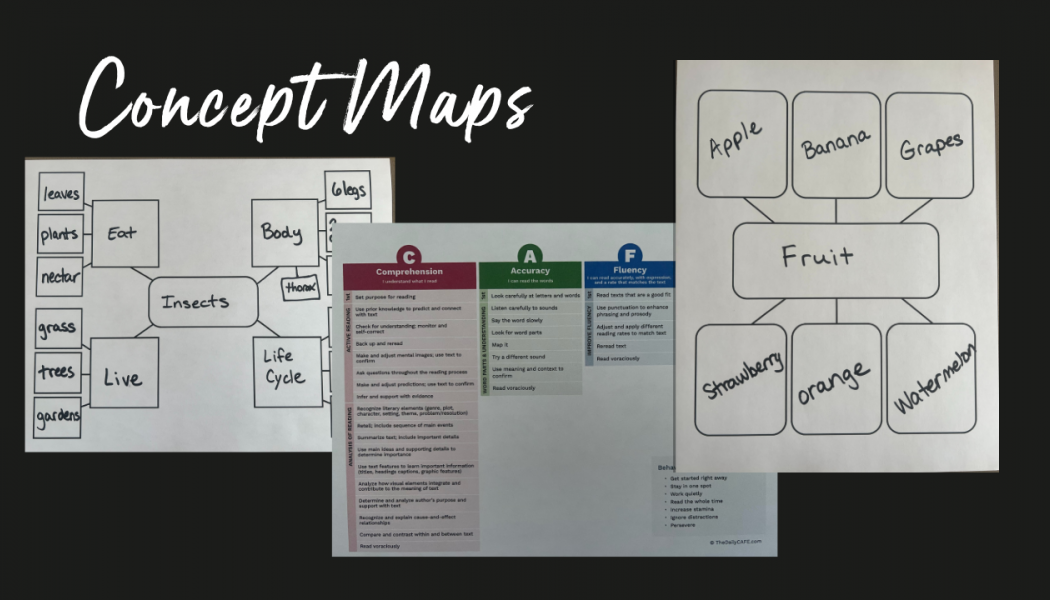
A concept map is a visual tool that helps students see relationships between ideas. It usually starts with a central topic in the middle, with related ideas branching out. Think of it like a mind map, but with clear connections showing how ideas relate to each other.
Why Use a Concept Map?
- Encourages deeper thinking – Students see how ideas fit together instead of memorizing facts in isolation.
- Supports all learners – Visual learners benefit from the structure, and struggling writers get a starting point for organizing their thoughts.
- Works across subjects – Use it in reading to break down a story, in science to map out ecosystems, or in social studies to connect historical events.
How to Use a Concept Map in the Classroom
- Start with a central idea – Write the main topic in the middle of the page.
- Branch out with related concepts – Use lines or arrows to connect supporting ideas.
- Encourage connections – Students should think about how ideas relate, adding examples, definitions, or explanations.
- Use it as a discussion tool – Have students explain their maps to a partner or the class.
Make It Interactive!
- Use sticky notes so students can move ideas around.
- Try digital tools like Google Drawings or Jamboard for collaborative mapping.
- Have students create their own maps before a test as a study tool.
A concept map is more than just a graphic organizer—it’s a thinking tool that helps students make sense of what they’re learning.
View our ready-to-use concept map templates below.